There is something deeply satisfying and touching about any harvest: the sense that months of work, growth, and anticipation have finally come together. And this autumn, perhaps more than in previous years, the harvest of Romanian literature in English translation is both abundant and wonderfully diverse.
From new poetry publications and an eagerly awaited American tour to an English PEN Translates Award, a book launch in New York City with perfectly fitting timing, the late bloom of a Romanian classic, and a brand-new translation imprint devoted to contemporary writing, the season has plenty to enjoy, admire, and celebrate.
Here are some of the highlights.
Radu Vancu: the American package
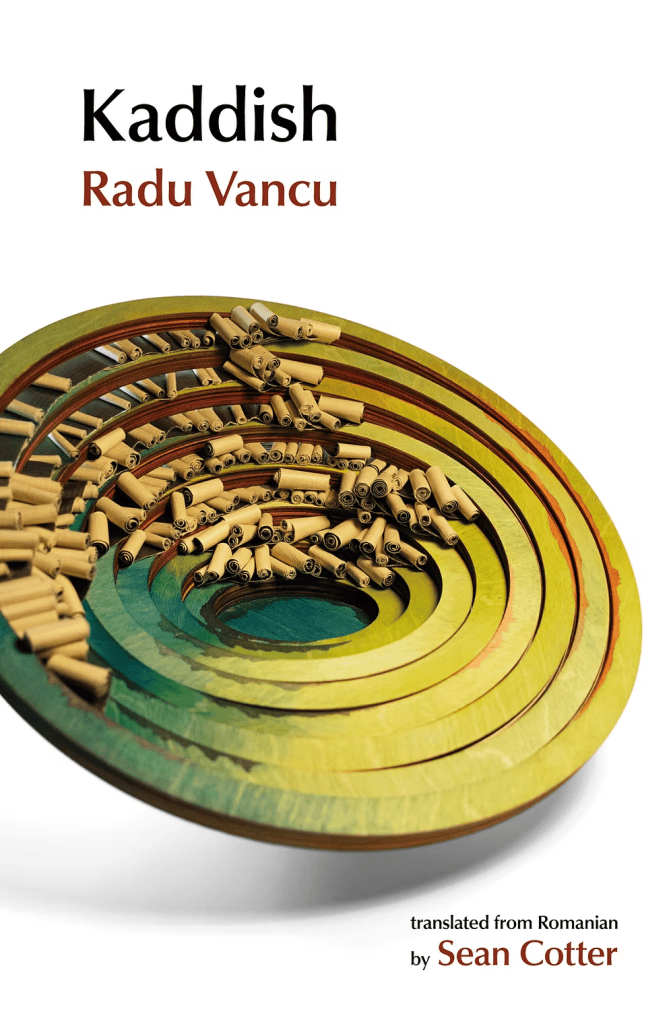
If I had to pick only one highlight of the season, it would be Radu Vancu’s presence in the United States—and, happily, it comes as a whole package: a prestigious literary residency, two important poetry publications, and an American tour.
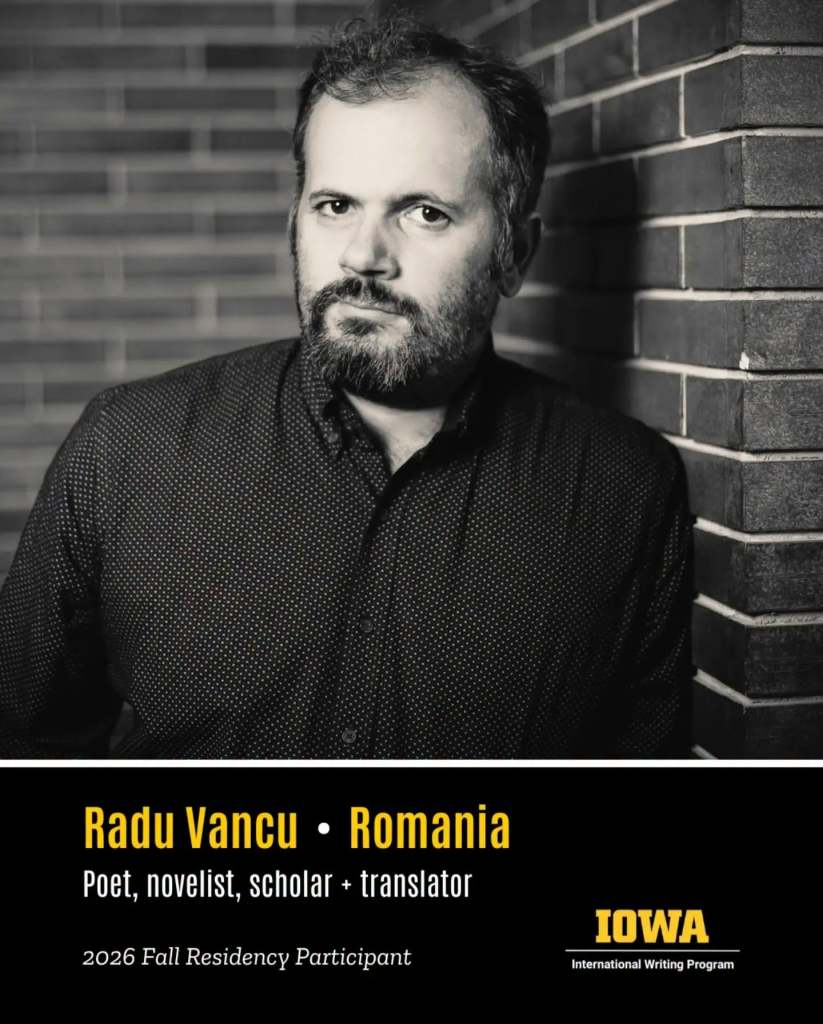
Vancu has been selected as a Fall 2026 resident of the International Writing Program at the University of Iowa, one of the world’s leading international literary residency programmes.
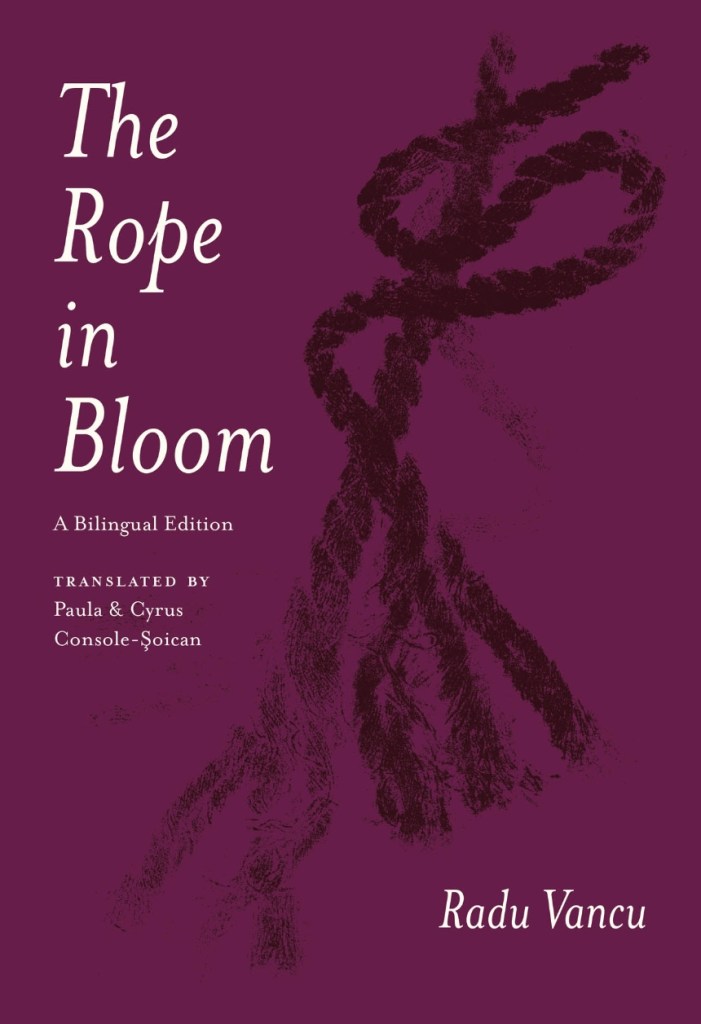
Meanwhile, two collections of his poetry are making their English-language debut. The Rope in Bloom, translated by Paula Console-Șoican and Cyrus Console-Șoican, is forthcoming October 6 from the University of Chicago Press as part of its Phoenix Poets series, followed just a week later, on October 13, by Kaddish, translated by Sean Cotter and published by Zephyr Press. Both titles can already be found in bookstores across the country ahead of their official release dates.
Radu Vancu is also in the midst of a series of literary events taking place across the United States, offering a rare chance to meet him in person.
A poet, prose writer, diarist, translator, cultural journalist, professor, editor, literary organiser, and social and cultural activist, Vancu is among the most compelling voices in contemporary Romanian literature, and his work has been translated into more than 20 languages. This fall, there is considerably more of him to discover in English.
An English PEN Translates Award for Cărtărescu and Reigh
More good news comes from the UK, where Gabi Reigh’s translation of Mircea Cărtărescu’s Blinding: The Body, forthcoming from Penguin Random House, has won an English PEN Translates Award.
For Reigh, a multi-award-winning translator, this is another significant honour. It is also excellent news for Cărtărescu and for English-language readers eager to keep exploring one of the masterpieces of contemporary Romanian literature.
The Body is the second volume of the acclaimed Blinding trilogy. It follows Blinding: The Left Wing, translated by Sean Cotter, which received a new Penguin Classics edition in February 2026. With Reigh taking up the second volume, readers can look forward to another chapter in Cărtărescu’s vast, dazzling, and intensely imaginative universe.

Andrei Ujică: a book that “sticks” lands in New York
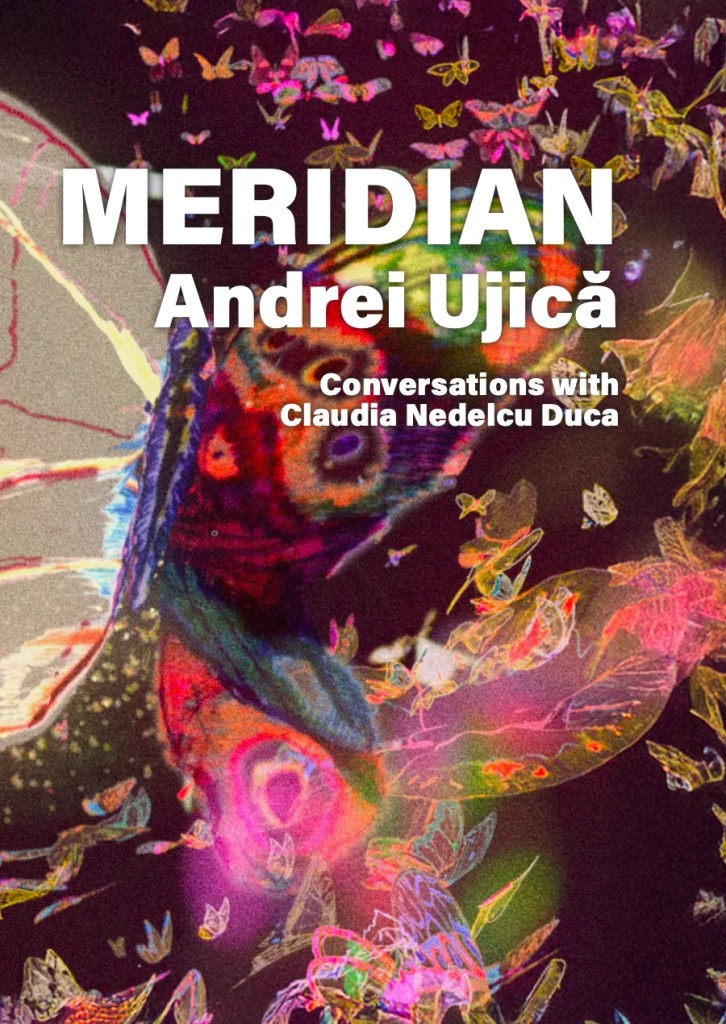
Some releases are special not only for the book itself but for the circumstances of its arrival. That is certainly the case with Andrei Ujică’s Meridian, a book-length dialogue with Claudia Nedelcu Duca, published in English by New York-based Sticking Place Books and translated by Claudia and Andrew Davidson-Novosivschei.
The volume launched on September 15 at the e-flux Screening Room in Brooklyn, with Ujică in conversation with e-flux curator Lukas Brasiskis and Film Comment editor Devika Girish. The timing could hardly have been better: MoMA was presenting a complete retrospective of Ujică’s films at the same time, bringing his remarkable body of work to New York audiences.
For an artist who moves so brilliantly between cinema, literature, and the visual arts, Meridian opens another window onto his thinking about history, politics, and memory.
Retrieving a classic: Panait Istrati
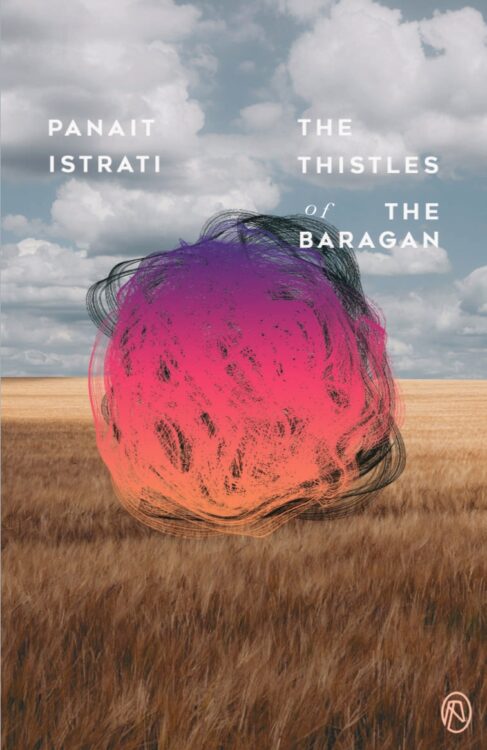
The season also reaches back into literary history. Ninety-six years after it first appeared in English, Panait Istrati’s The Thistles of the Baragan returns in a new edition, forthcoming on October 29 from Thousand Horsemen Press, in Jacques Le Clercq’s translation.
Istrati (1884–1935) remains one of the most fascinating and cosmopolitan figures in Romanian literature. Born in Brăila, on the Danube, he was a restless traveller who lived in several countries and found an international readership through his French-language writing.
The Thistles of the Baragan takes readers back to the Romanian plains, to poverty and hardship, but also to the longing for freedom and a better life. Reviving it is more than literary archaeology: it lets a classic speak again to contemporary readers while underscoring the international dimension of Romanian literature itself.
A new home for the unruly side of Romanian literature
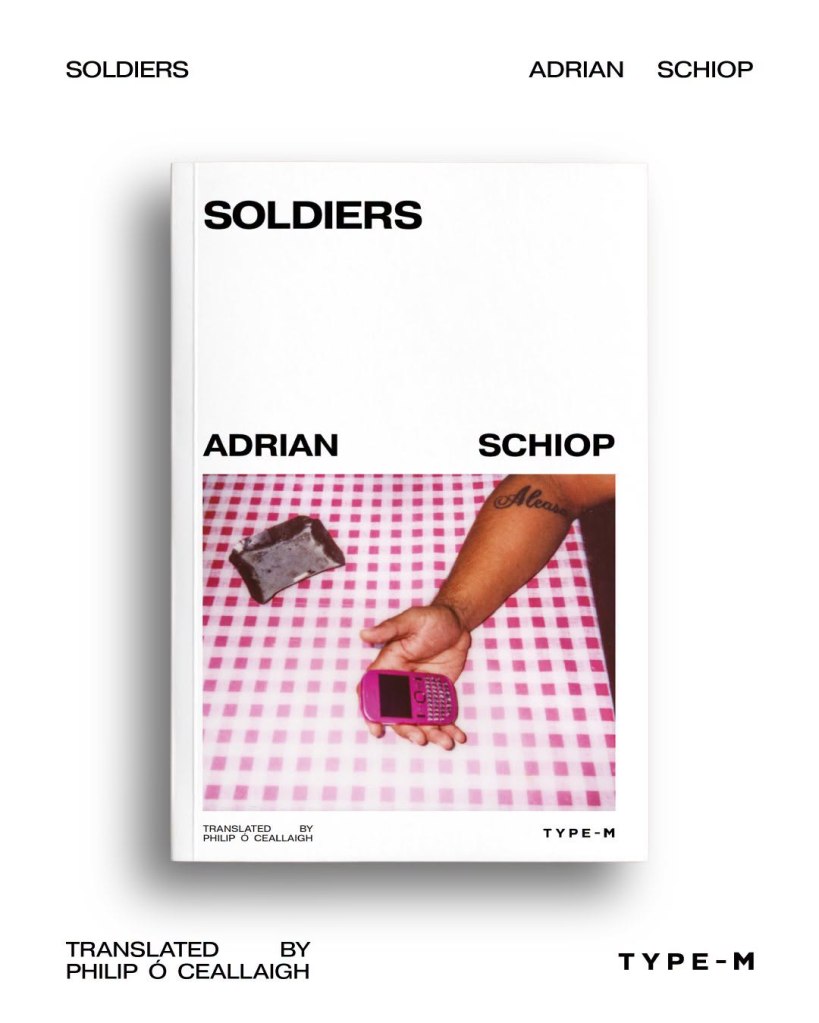
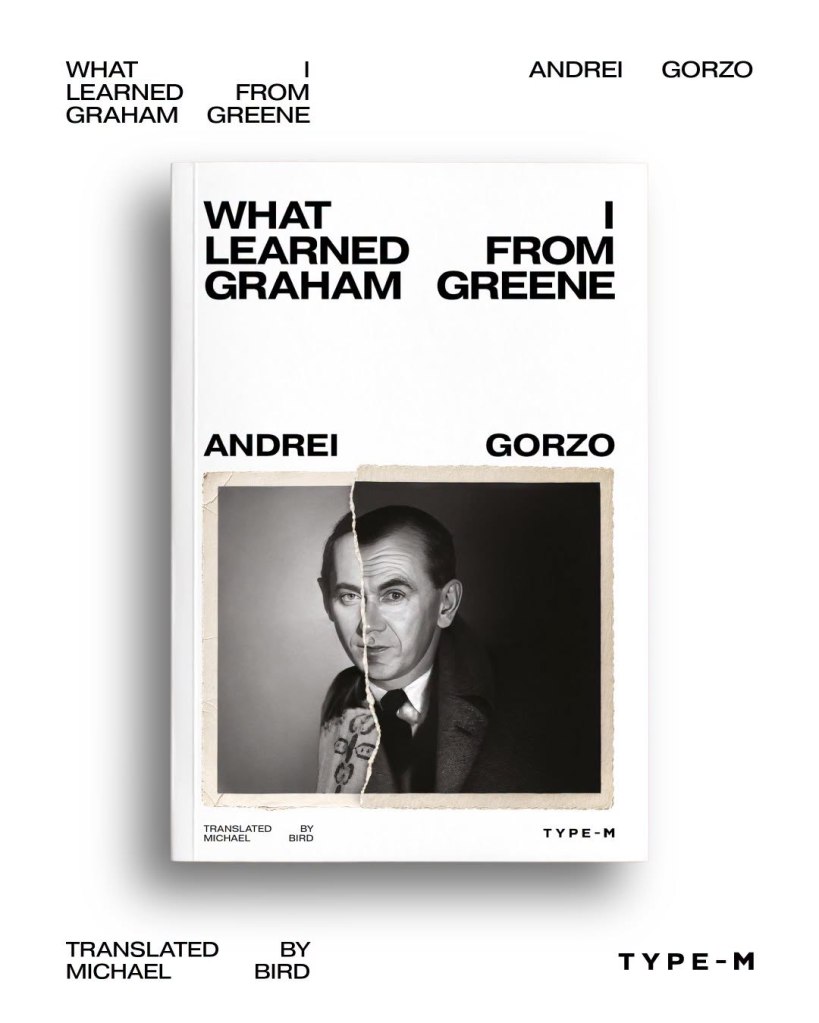
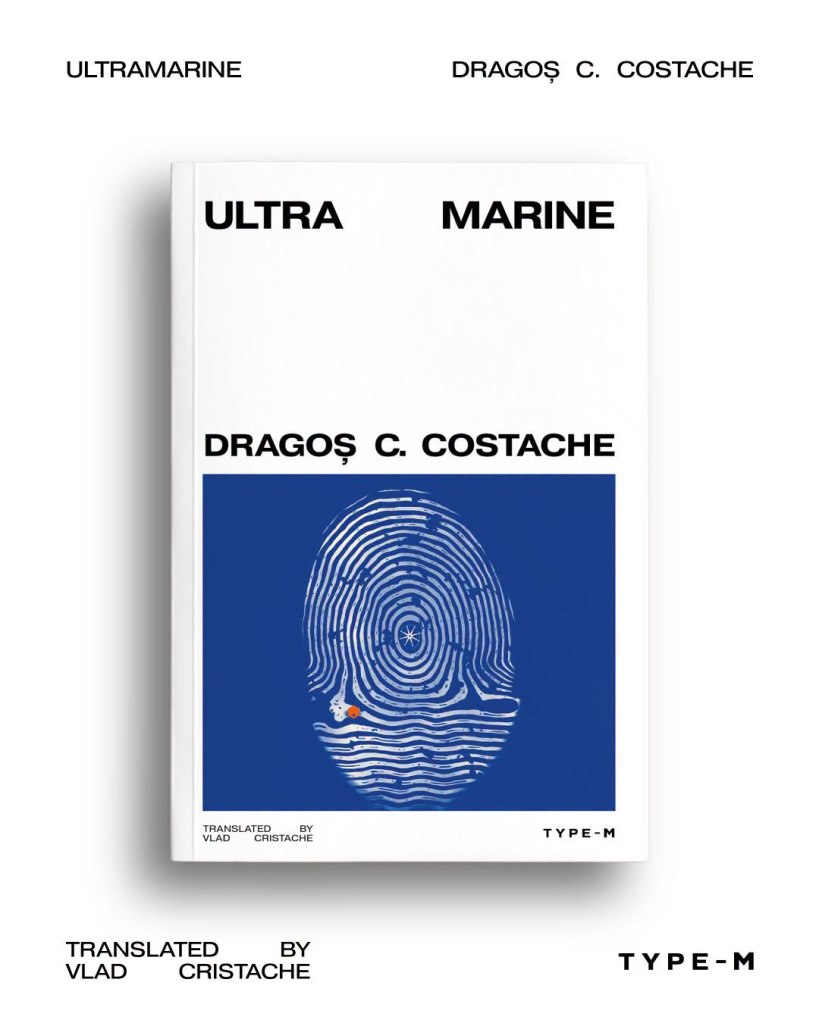
In the meantime, something entirely new is taking shape. Matca literară and Curtea Veche have launched type-M, an English-language imprint devoted to Romanian books in translation. Its first three titles make a bold statement of intent:
- Soldiers: A Bucharest Story by Adrian Schiop, translated by Philip Ó Ceallaigh;
- What I Learned from Graham Greene: A Family History by Andrei Gorzo, translated by Michael Bird;
- Ultramarine by Dragoș C. Costache, translated by Vlad Cristache.
The idea behind type-M is genuinely appealing. These novels are not meant to produce a neat, easily exportable picture of “Romanian literature.” They are books strong enough to complicate that picture, and to travel without sanding down what makes them difficult, unexpected, or strange. Contemporary Romanian literature gets to go abroad on its own terms.
Dan Sociu: beware of Deep Fakes
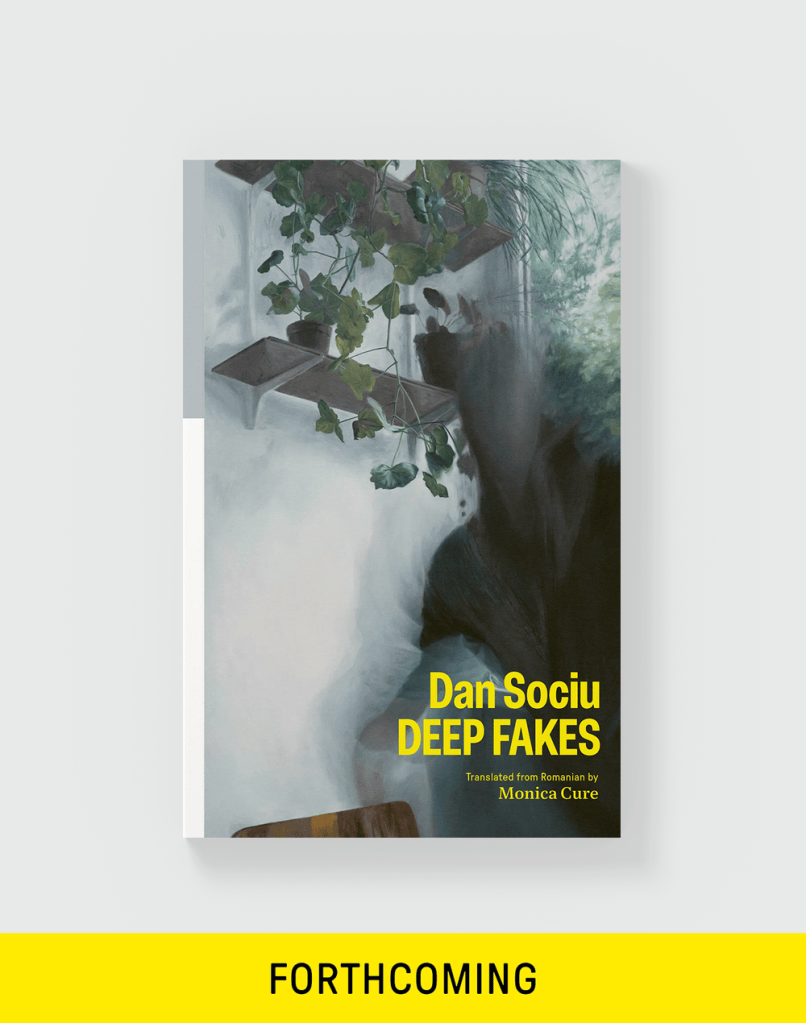
And there is another striking poetry publication arriving this fall: Dan Sociu’s Deep Fakes, translated from Romanian by Monica Cure and forthcoming from New York-based World Poetry Books on October 8. It is a bilingual edition and appears as No. 53 in the publisher’s Eastern European Poets Series.
Sociu is one of the most distinctive voices in contemporary Romanian poetry. He writes from what the publisher describes as the margins of modern life, where personal confession meets social critique and irony sharpens emotional truth. The collection is deeply attentive to the realities of post-transition Romania while remaining intensely personal and formally adventurous.
The translation by Monica Cure is itself part of the story. A Romanian-American poet and award-winning literary translator, Cure has previously translated Liliana Corobca’s The Censor’s Notebook and Tatiana Țîbuleac’s The Summer My Mother Had Green Eyes, both to considerable acclaim.
Deep Fakes, whose publication was made possible by the Romanian Cultural Institute’s Translation and Publication Support programme, adds another powerful poetic voice to an exceptionally rich autumn—and gives English-language readers yet another reason to look closely at what is happening in Romanian poetry now.
A special TPS & Publishing Romania moment
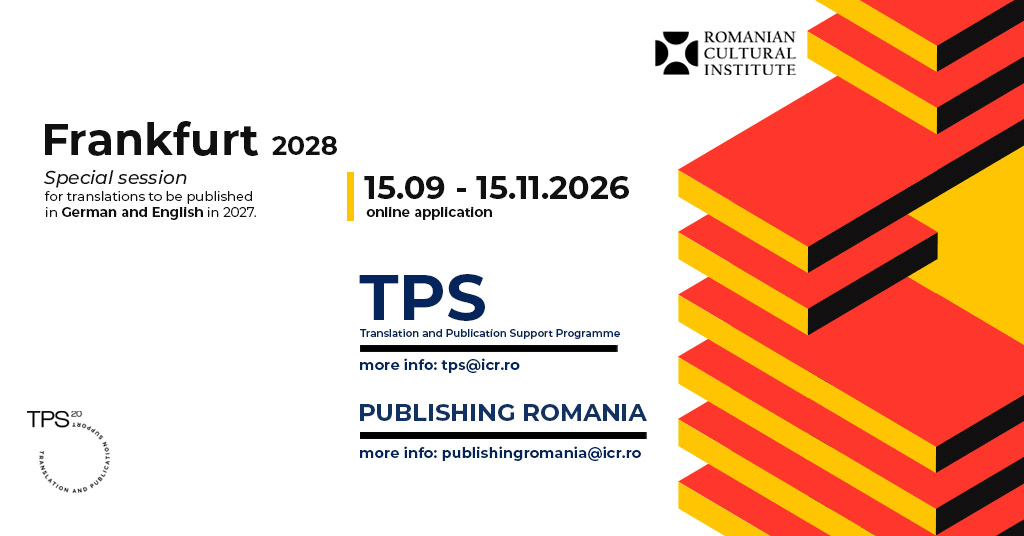
Behind many of these publications lies the infrastructure that helps Romanian literature cross borders in the first place. This fall, the Romanian Cultural Institute, through the National Book Centre, has launched a special “Frankfurt 2028” session of its Translation and Publication Support (TPS) and Publishing Romania programmes, supporting English and German translations of Romanian books to be published in 2027.
The timing matters here, too: Romania will be Guest of Honour at the Frankfurt Book Fair in 2028, and the session is designed to build a stronger international presence ahead of it. These two programmes have already done a great deal for Romanian literature abroad. In 2026, TPS marks two decades of existence and has passed the milestone of 1,000 supported publications in more than 30 languages. The current call is open to foreign publishers until November 15, 2026.
And there is more where that came from
This list is by no means exhaustive. It is a snapshot of a remarkably plentiful season: established authors alongside emerging voices, contemporary writing alongside rediscovered classics, poetry alongside film and cultural criticism, individual books alongside new publishing ventures.
Which brings us to a September tradition worth celebrating: National Translation Month (NTM). Founded in 2013, this US-based public literary initiative highlights literature in translation and the translators who make it possible, pairing newly translated works with translator commentary and context. It is open to readers, educators, translators, publishers, librarians, and literary organisations around the world.
You can follow NTM on Substack and social media throughout the month and beyond. Its suggested ways to celebrate and contribute are worth a look, because promoting translated literature does not necessarily require being a professional. Reading, sharing, recommending, attending an event, starting a conversation: every small gesture counts.
After all, a harvest is most satisfying when it is shared, and this autumn there is plenty of outstanding Romanian literature to share.